All Categories
Featured


Evaluating Wrinkle Relaxers and Soft Fillers to Restore Facial Volume
Table of Contents
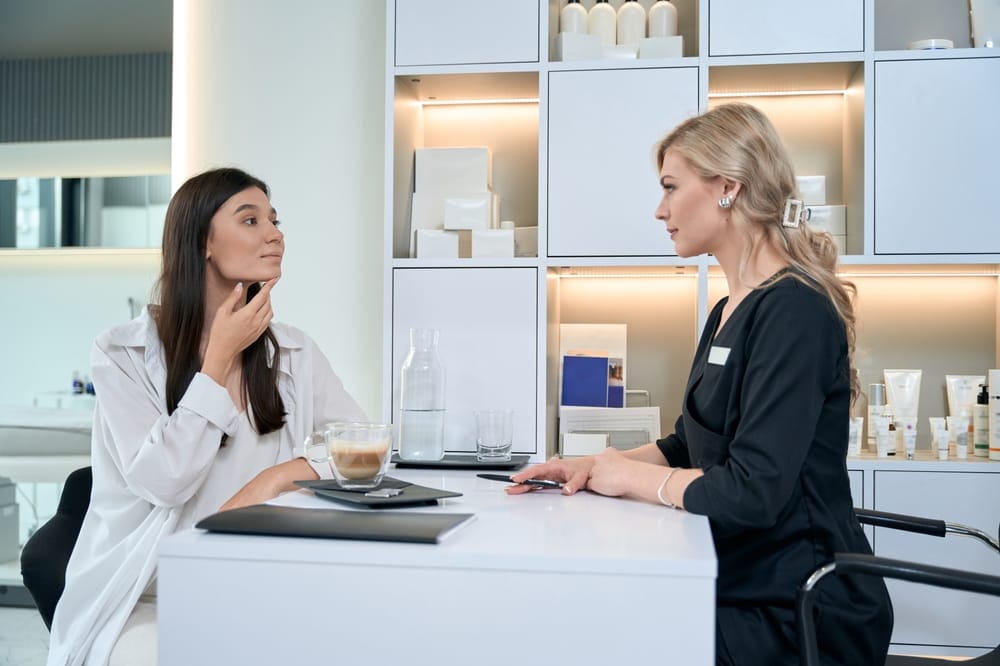
Before microneedling, you have an assessment with a doctor. A cosmetic surgeon, skin specialist or aesthetician might perform microneedling. Ensure that whoever does the treatment has experience in this technique. Your healthcare supplier will analyze your skin, examine your health history and discuss your goals for the procedure. They might also take photos of the area so you can compare your skin before and after microneedling.
These creams can help start the procedure of collagen production. Next, your healthcare company uses a hand-held roller or an electrical tool to make the injuries in your skin.
Your healthcare supplier rolls it slowly and carefully across your skin. Longer needles go deeper into your skin, which may be needed if you have deep scars or pockmarks from acne.
Future Facial Care Trends for 2026
You may feel warmth or a scratching feeling on your face once the microneedling starts. Some people feel pain if the needles are near bony areas, such as your cheekbones. Deep microneedling might trigger a little bleeding. A microneedling treatment can take anywhere from 15 minutes to a couple of hours, depending on the size of the location that needs treatment.
PRP Hair Restoration LansingYour skin might be red and swollen for as much as 5 days. An ice bag can assist decrease inflammation and discomfort. Many people can use makeup the day after the procedure, but you need to remain out of the sun until your skin heals.
PRP Hair Restoration LansingMicroneedling is a medical treatment that utilizes small needles to pierce the skin. Skin specialists use it to diminish: Acne scars Dark areas Large poresMelasmaSagging skinScars due to surgery or an injury Stretch marksUneven skin texture and toneWrinkles and fine linesMicroneedling is minimally intrusive and safe for all skin tones. It works by stimulating your body to make collagen.
This can lead to less obvious scars and wrinkles, and more even complexion and texture. This client got microneedling and platelet-rich plasma, which significantly faded his acne scars (B). Products offered for at-home microneedling and microneedling performed in a non-medical medspa aren't suggested to pierce the skin. These gentler items result in less noticeable results than those you obtain from a skin doctor.
How Deep Peels Address Fine Aging
Here's why: Overusing microneedling can irritate your skin, which can make the skin issue more visible and your skin unpleasant. This damage can cause scarring or modifications to your skin's color or texture.
This cosmetic treatment is often used to deal with acne scars, scars caused by an injury, and surgical scars. By seeing a dermatologist, you'll also discover whether microneedling is the right treatment for your condition. If it is, your skin specialist might use a microneedling pen, roller, or among the following: This is a type of microneedling that adds heat to your treatment.

Radiofrequency microneedling is safe for all skin tones. These research studies were conducted on a small number of individuals with darker skin tones.
Utilizing both of these treatments can improve your body's ability to make collagen. When treated with a combination of microneedling and PRP, you will have a percentage of your blood drawn. The test tube including your blood will be put in a device called a centrifuge, which separates your blood into layers.
Why Chemical Peels Address Fine Aging
When your blood is all set, your skin doctor will use the platelet-rich blood to the skin that was treated with microneedling. This combination can be specifically effective for fading acne scars, and it's safe to utilize in people who have darker complexion. You may require more than one treatment session to get the outcomes you desire.
Studies have actually discovered that this treatment strategy can fade acne scars by 50% to 70%. Some individuals require to have a series of treatments to see optimal outcomes.

Latest Posts

Dual-Action Appeal: How Wellness Work with Dermaplaning
Bring Back Natural Charm with Anti Wrinkle Injections

Fixing Coloring with Laser Hair Removal East Lansing